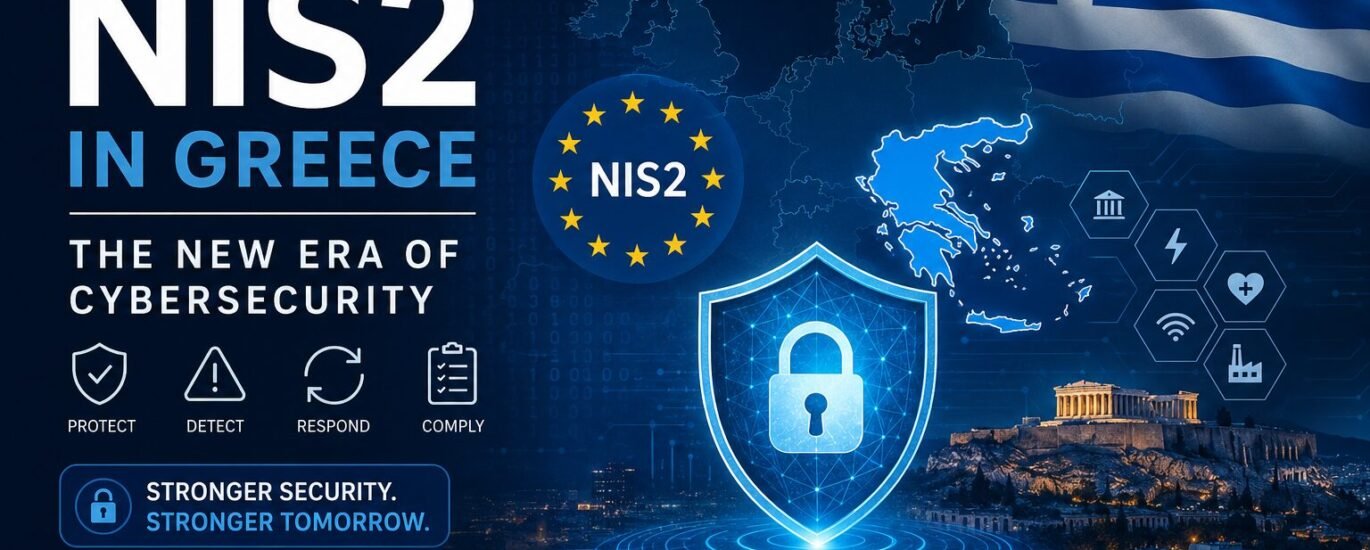
NIS2 in Greece: Everything Businesses Need to Know
Cybersecurity is no longer an issue that concerns only large multinational corporations or specialized technology organizations. In today’s digital world, even a small cyberattack can cause serious financial losses, service disruption, personal data breaches, and significant damage to the reputation of a business or organization.
For this exact reason, the European Union introduced the NIS2 Directive (Network and Information Security Directive 2), a new and stricter cybersecurity framework that is set to significantly change the way businesses and organizations approach digital security.
NIS2 is already considered one of the most important European cybersecurity legislations and is expected to affect thousands of businesses and organizations in Greece in the coming years.
What is the NIS2 Directive
NIS2 is the new European directive on the security of network and information systems and replaces the original NIS Directive that was implemented in 2016.
Its primary objective is to strengthen the overall level of cybersecurity across the European Union through stricter protection requirements, improved incident management, and increased accountability for organizations.
Compared to the previous framework, NIS2 significantly expands:
- the number of businesses covered by the directive,
- cybersecurity obligations,
- and the penalties for non-compliance.
Simply put, the European Union now recognizes that cyberattacks are not a theoretical risk, but a real threat to the economy, critical infrastructure, and the everyday functioning of society.
Why Was NIS2 Created
In recent years, cyberattacks have been increasing at an alarming rate worldwide. Ransomware attacks, data breaches, critical infrastructure compromises, and attacks against public organizations have proven that even advanced systems can collapse when adequate security measures are not in place.
At the same time, the dependence of businesses and governments on digital services has become enormous. From banks and hospitals to transportation, energy, and telecommunications, nearly every critical sector relies on information systems.
NIS2 was created in order to:
- increase the overall level of cybersecurity across Europe,
- establish a common protection framework among EU member states,
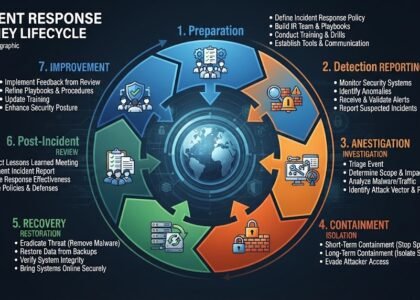
- improve incident management,
- and reduce the risk of large-scale cyberattacks capable of affecting entire societies and economies.
Which Businesses Are Affected
One of the most important characteristics of NIS2 is that it affects a much larger number of businesses compared to the past.
The directive divides organizations into two main categories:
- Essential Entities
- Important Entities
These categories include organizations operating in critical or highly important sectors.
Sectors Affected by NIS2
Energy
- electricity
- natural gas
- oil
- energy infrastructure
Healthcare
- hospitals
- clinics
- medical laboratories
- healthcare providers
Banking and Financial Services
- banks
- financial institutions
- insurance services
Transportation
- airports
- ports
- railways
- logistics
Digital Services and Technology
- cloud providers
- data centers
- managed service providers
- online platforms
Public Sector
- government organizations
- public services
- local authorities
Telecommunications
- internet providers
- telecommunications organizations
Industry and Manufacturing
- large industrial facilities
- critical supply chains
Are Only Large Businesses Affected?
Not necessarily.
Although NIS2 mainly targets medium-sized and large businesses, in many cases it may also affect smaller organizations, especially when they:
- provide critical services,
- participate in important supply chains,
- or act as technology partners for larger organizations.
This means that even smaller IT companies, cloud service providers, or MSPs may need to comply with the directive’s requirements.
What Are the Main Requirements of NIS2
The directive requires organizations to implement substantial cybersecurity measures and not merely formal compliance procedures.
Among other things, it includes:
- cybersecurity risk management,
- security policies,
- incident response plans,
- business continuity and disaster recovery,
- access control,
- network and system security,
- supplier and partner assessments,
- staff training,
- and incident reporting procedures.
NIS2 also places particular emphasis on the human factor, since many cyberattacks begin through phishing, social engineering, or human error.
Mandatory Reporting of Cyber Incidents
Another important aspect of the directive is the obligation to report serious cybersecurity incidents.
Affected organizations must notify the relevant authorities within specific timeframes whenever a serious security incident occurs.
This aims to:
- improve the speed of incident response,
- strengthen cooperation between states and organizations,
- and reduce the impact of major cyber incidents.
What Are the Penalties
NIS2 introduces significantly stricter penalties compared to the previous framework.
In cases of non-compliance, organizations may face:
- substantial administrative fines,
- inspections by competent authorities,
- mandatory corrective measures,
- and even liability for senior executives in certain cases.
The directive’s philosophy is that cybersecurity is now considered a matter of strategic importance and not simply a technical issue for the IT department.
What NIS2 Means for Greece
The implementation of NIS2 is expected to significantly impact both the Greek business environment and the public sector.
Organizations are now being called upon to:
- invest more in cybersecurity,
- better organize protection procedures,
- train their personnel,
- and treat digital security as a critical business issue.
At the same time, the directive is expected to increase demand for:
- cybersecurity services,
- penetration testing,
- risk assessments,
- compliance consulting,
- incident response,
- and cybersecurity awareness training.
Conclusion
NIS2 is not simply another European compliance obligation. It reflects the new reality of the digital era, where cyberattacks can affect businesses, organizations, and entire societies within minutes.
For many businesses in Greece, this directive will represent the first serious step toward a more organized and mature approach to cybersecurity.
Early preparation, proper risk assessment, and the development of a genuine security culture will become key factors for adapting to the new era of European cybersecurity.
ENISA Threat Landscape (ETL) report
Find more Cyber Security articles or contact us to learn how to better protect yourself, your business, and your digital environment from modern cyber threats.