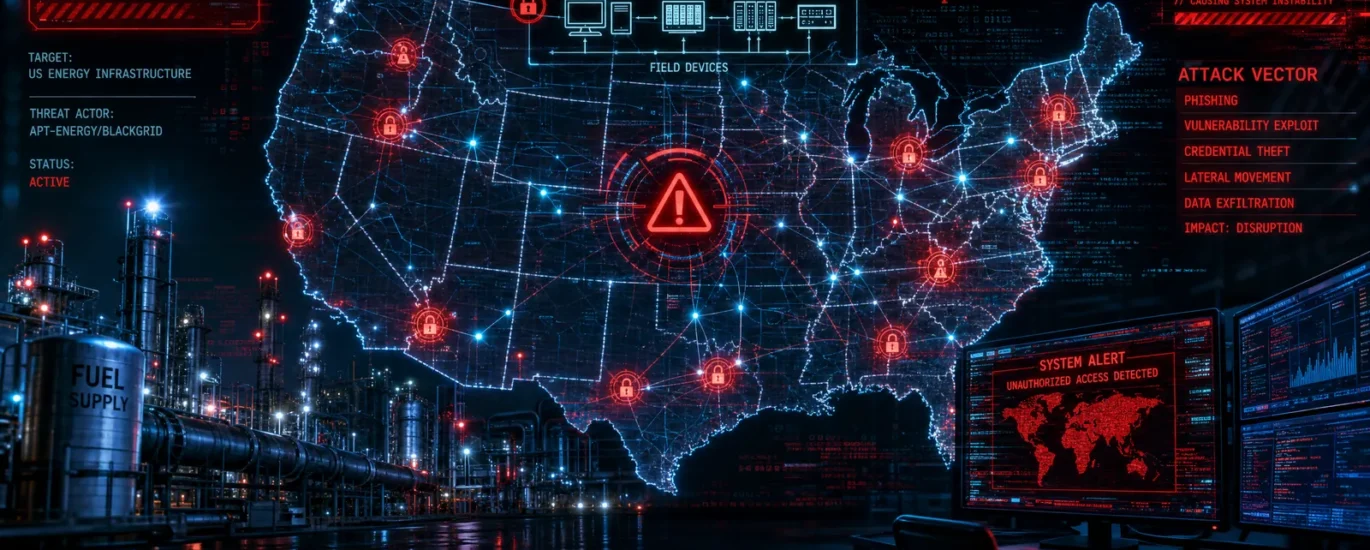
Cyberattack on a Fuel Pump System in the United States
The cybersecurity of critical infrastructure remains one of the most important and sensitive areas of concern worldwide, as cyberattacks targeting energy, industrial, and transportation systems continue to increase in both complexity and frequency. In recent years, government agencies, security organizations, and cybersecurity companies have reported a significant rise in attacks aimed at high-value critical infrastructure, with objectives extending beyond financial gain to include the disruption of essential services that affect the daily lives of millions of people.
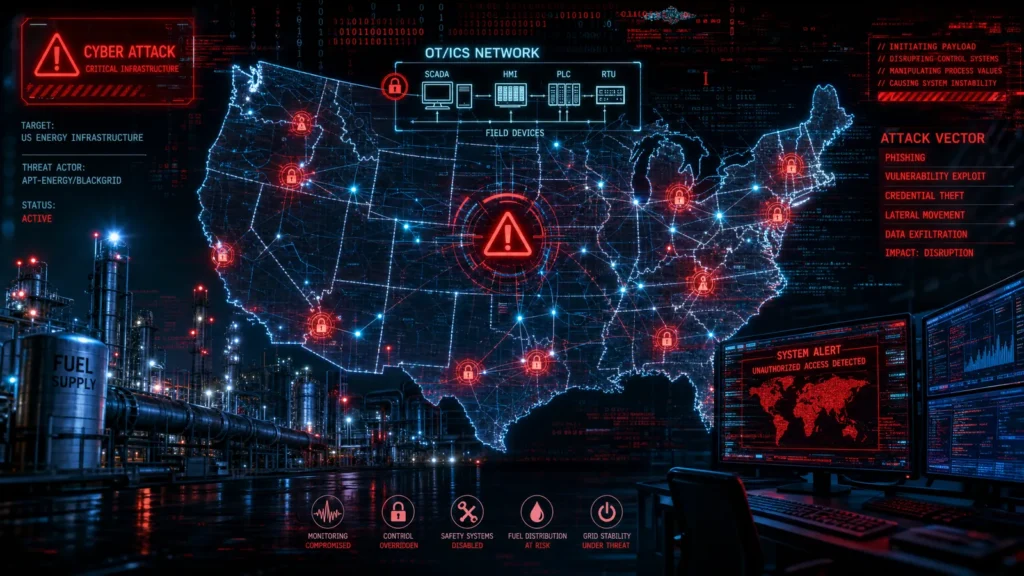
Particular concern has been raised by recent reports of cyberattacks targeting fuel pump systems and energy facilities in the United States, bringing renewed attention to the security of OT (Operational Technology) networks, industrial ICS/SCADA systems, and remote management environments. These incidents clearly demonstrate that even systems traditionally considered isolated or “closed” can now become targets through misconfigurations, outdated software, weak credentials, or poor network segmentation.
Modern fuel distribution facilities now rely on a highly complex technological ecosystem that includes industrial automation systems, cloud services, IoT sensors, remote access for technical teams, VPN connections, and interconnected information systems. While these technologies significantly improve operational efficiency, real-time monitoring, and centralized management capabilities, they also introduce new attack surfaces that can be exploited by cybercriminals, ransomware groups, or even state-sponsored threats such as Advanced Persistent Threat (APT) groups.
How Fuel Systems Can Be Targeted
Fuel management systems typically include:
- fuel pump management systems
- remote tank monitoring systems
- POS and payment systems
- industrial controllers
- cloud-based management panels
- VPN and remote maintenance access systems
A successful compromise can lead to:
- disruption of fuel stations or distribution networks
- manipulation of fuel data
- financial fraud
- ransomware incidents
- exposure of sensitive information
- operational disruption across critical energy infrastructure
This category of attacks is considered particularly dangerous, as it directly impacts critical functions of the economy and the supply chain.
OT and ICS: The “Invisible” Side of Cyberspace
Unlike traditional IT networks, OT/ICS environments were originally designed with functionality in mind rather than cybersecurity. Many legacy systems still operate with:
- outdated protocols
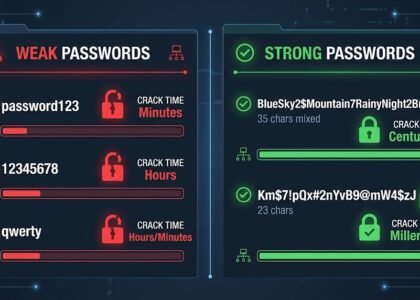
- weak authentication mechanisms
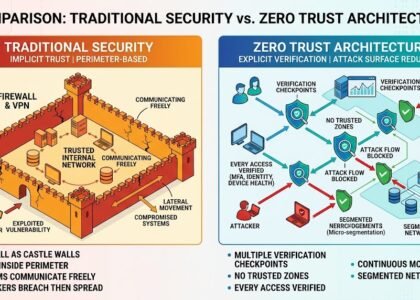
- insufficient network segmentation
- limited monitoring
- outdated firmware
This makes them attractive targets for attackers seeking critical infrastructure environments with lower levels of security protection.
Similar attacks targeting the energy sector have been recorded in recent years, with the Colonial Pipeline ransomware attack incident standing out as a notable example that highlighted the extent to which modern societies depend on digitally interconnected energy systems.
Key Techniques Used in These Types of Attacks
Cybercriminals often exploit:
- phishing campaigns
- credential theft
- VPN vulnerability exploitation
- remote desktop compromise
- supply chain attacks
- malware loaders
- ransomware payloads
- lateral movement within OT environments
In many cases, attacks begin through simple human errors or poor security practices before escalating into more critical industrial systems.
The Need for Enhanced Critical Infrastructure Protection
Protecting such systems requires a multi-layered security approach that includes:
- network segmentation
- Zero Trust architecture
- continuous monitoring
- incident response planning
- privileged access management
- MFA / 2FA
- regular patch management
- employee awareness training
At the same time, collaboration between government agencies, energy providers, and cybersecurity teams is now considered essential for the early detection and effective response to emerging threats.
According to the Cybersecurity & Infrastructure Security Agency (CISA)According to the Cybersecurity and Infrastructure Security Agency (CISA), attacks targeting critical infrastructure and industrial systems are increasing globally, with energy infrastructure remaining one of the primary targets.
Conclusion
Cyberattacks targeting fuel systems and energy infrastructure are no longer theoretical scenarios, but a growing reality. As infrastructure becomes increasingly interconnected, the need for modern OT/ICS cybersecurity strategies is becoming more critical than ever.
The growing convergence between traditional IT infrastructure and industrial OT environments is creating new challenges for security teams, as many attacks initially originate within corporate IT networks before spreading into industrial control systems. This makes practices such as network segmentation, the implementation of Zero Trust architecture, continuous security monitoring, and employee cybersecurity training increasingly critical for preventing large-scale attacks.
The security of critical infrastructure is not solely about technology, but also about the overall resilience of organizations against evolving cyber threats.
Explore more cybersecurity articles and in-depth analysis on LevelZero